UPI Payment





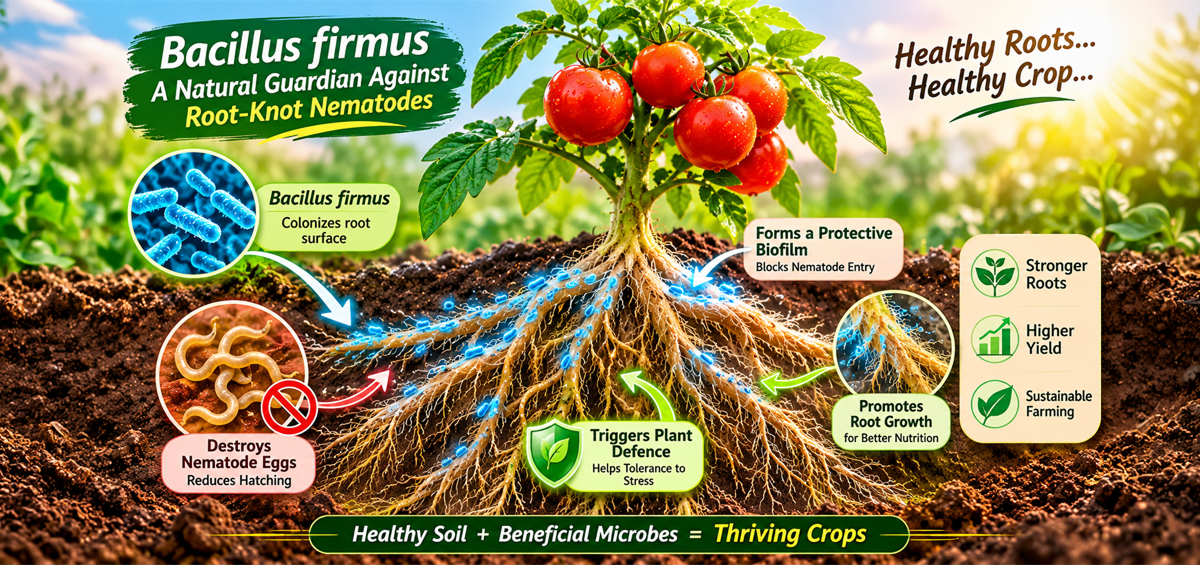
Beneath the soil surface, plant-parasitic nematodes silently attack roots, interfering with nutrient and water absorption. In India, root-knot nematodes alone are estimated to cause about 23% yield loss in tomato. The damage often goes unnoticed until plants show stunted growth, yellowing and reduced yields. Managing these pests is a major challenge, particularly as long-term use of chemical nematicides raises concerns about soil health, environmental safety and residues. In this context, Bacillus firmus, a beneficial soil bacterium, is gaining attention as a biological tool for nematode management. Its ability to survive under challenging soil conditions and protect plant roots makes it an interesting option for sustainable crop production.
Bacillus firmus is a Gram-positive, rod-shaped soil bacterium known for its ability to form endospores. These protective structures help the bacterium withstand unfavourable conditions, including high temperatures and periods of dryness. It also possesses considerable tolerance to salt and alkaline conditions.
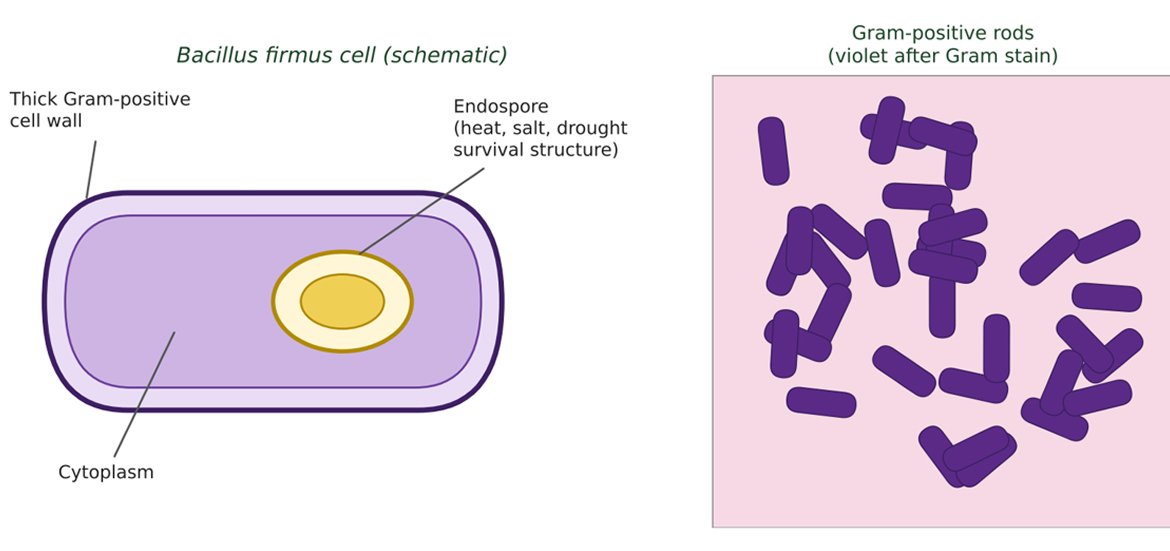
This characteristic is especially relevant to Indian agriculture, where high temperatures and soil alkalinity can affect the survival and effectiveness of beneficial microorganisms. Unlike many sensitive microbial populations, the spore-forming nature of Bacillus firmus gives it a better chance of remaining viable under challenging conditions.
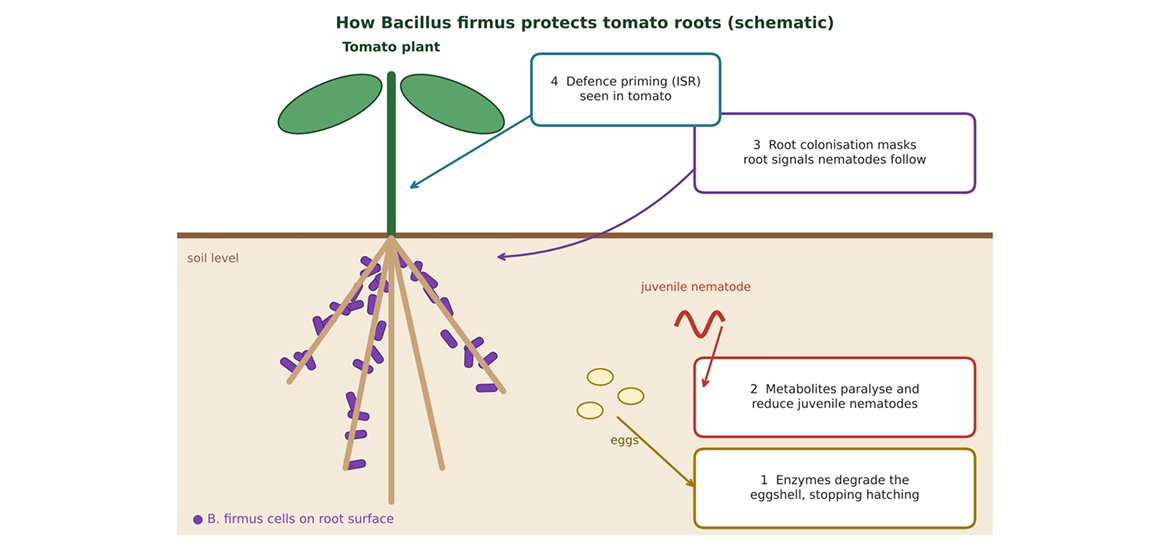
The ability of Bacillus firmus to suppress nematodes is not dependent on a single mechanism. Research, particularly on the commercially studied strain I-1582, has identified several ways through which this bacterium can interfere with nematode development and protect plant roots.
One important mechanism involves the destruction of nematode eggs. The bacterium produces enzymes that can degrade the protective eggshell, affecting the developing larvae inside. This helps interrupt the nematode life cycle before the young nematodes emerge.It also produces natural metabolites that can paralyse nematodes while reducing egg hatching. By affecting both eggs and juvenile stages, the bacterium can help reduce the nematode population in the root zone.
Another interesting mechanism is its ability to colonise the root surface. Once established around the roots, Bacillus firmus can utilise root exudates, interfering with the chemical signals that nematodes use to locate suitable roots. This can make root penetration more difficult and provide an additional layer of protection.
Beyond acting directly on nematodes, the bacterium may also prime the plant's own defences. In tomato, studies have reported induced systemic resistance (ISR), a plant-wide alert state driven by the jasmonic acid and salicylic acid pathways. This was not seen in cucumber, suggesting that the direct action on eggs and juveniles works across crops, while defence priming depends on the crop's own response.
The role of Bacillus firmus is not limited to protecting roots from nematodes. Certain strains also exhibit plant growth-promoting properties. Research has associated their application with improved plant biomass, increased chlorophyll content and better nutrient uptake.
In crops such as tomato and soybean, studies have also indicated improved tolerance to salt stress. These additional benefits make the bacterium valuable from a broader crop management perspective, where maintaining healthy roots and supporting plant growth are equally important.
Nematode damage represents a considerable economic challenge for Indian farmers. Root-knot nematodes alone are estimated to cause approximately 23% yield loss in tomato, translating into annual losses of around ₹600 crore. In brinjal, severe nematode infestation can reduce yields by 27% to 62%. Citrus cultivation also faces significant losses, with citrus nematodes contributing to an estimated annual loss of 8.7% to 14% in affected orchards. These losses are particularly concerning because nematode damage often develops below the soil surface and may not be recognised until considerable root injury has occurred.
At the same time, farmers are increasingly expected to reduce chemical residues and adopt environmentally responsible crop protection practices. Chemical nematicides can be expensive, hazardous to handle and harmful to beneficial soil organisms.Biological approaches therefore offer an important alternative. As a spore-forming bacterium capable of colonising the root zone and affecting nematode eggs and juveniles, Bacillus firmus offers a promising option for integrating biological nematode management into modern farming systems.
Bacillus firmus works best when introduced early into the root zone, preferably with the basal application, as a seedling-root dip or soil drench with farmyard manure, within an integrated management programme. Avoid mixing it with chemical nematicides or fungicides on the same day..
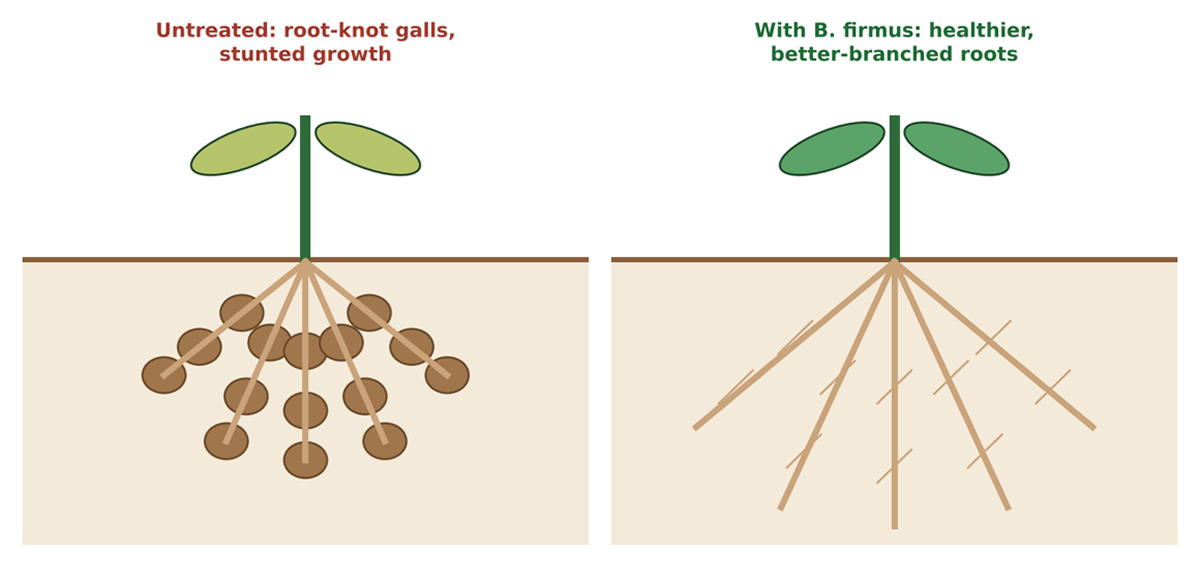
Combining biological approaches with resistant varieties, organic matter application and appropriate crop rotation can help farmers manage nematode pressure more effectively.Ultimately, protecting a crop begins with protecting its roots. Treat at transplanting, before nematodes establish, and build healthier roots, reduced dependence on chemical nematicides and more sustainable soil management.