UPI Payment





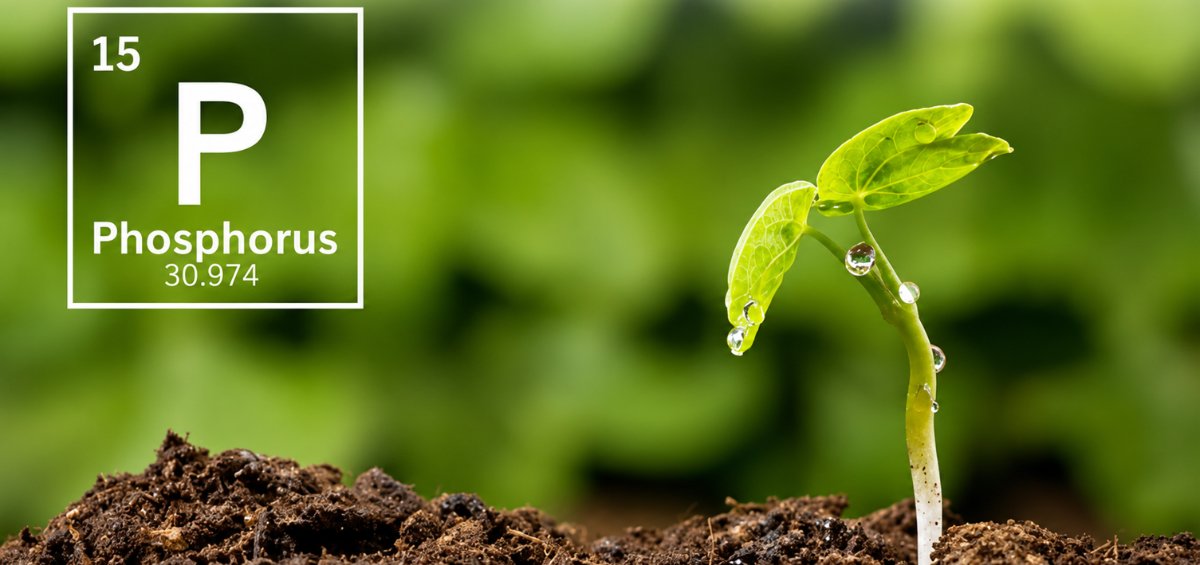
Phosphorus is one of the three major nutrients essential for plant growth, yet it remains one of the most challenging nutrients for crops to access. From early root development and energy transfer to flowering, seed formation and maturity, phosphorus plays an important role throughout a plant's life. Many soils contain considerable amounts of phosphorus, but only a small portion is readily available for plant uptake. The rest remains trapped in soil minerals or attached to soil particles. In other words, phosphorus may be present in the field, but that does not necessarily mean the crop can use it.
In acidic soils, phosphorus readily reacts with iron and aluminium. It becomes attached to iron and aluminium oxides and clay surfaces, eventually forming compounds that are difficult to dissolve. This process, known as phosphorus fixation, significantly reduces the amount of phosphorus available to plants. This is particularly relevant to India's acidic red and lateritic soils, commonly found across the Northeast, Kerala, Odisha, Jharkhand and coastal Karnataka.
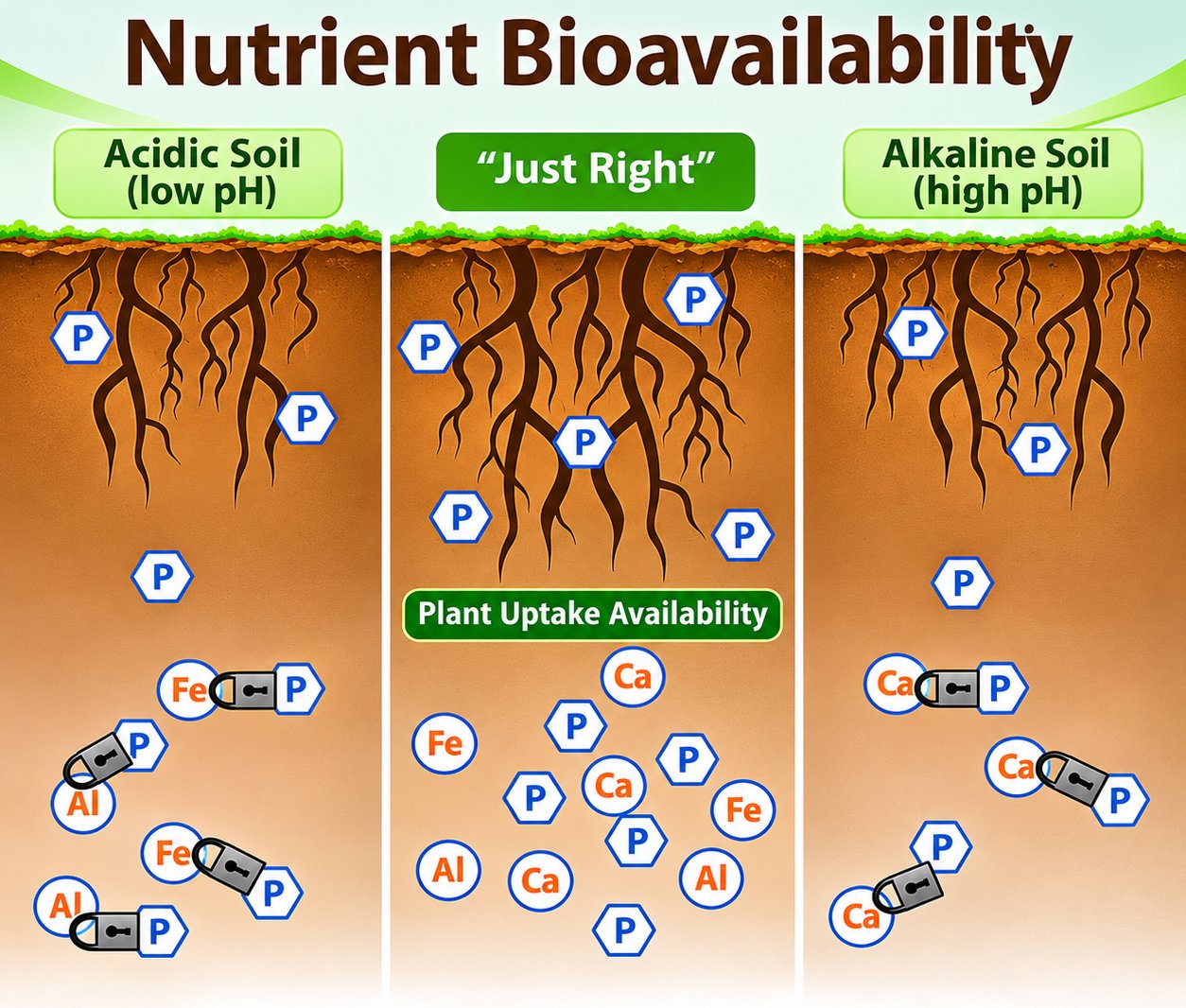
Alkaline and calcareous soils create a similar problem, but through a different mechanism. Here, phosphorus reacts with calcium to form compounds that gradually become less soluble. It can also become associated with calcium carbonate, further reducing its availability. This explains why crops grown in the calcareous soils of Gujarat, Rajasthan and Haryana may show phosphorus deficiency even when adequate fertilizers are applied. Generally, phosphorus availability is highest when soil pH is around 6.0–7.0. Beyond this range, towards either acidity or alkalinity, its availability tends to decline.
Effective phosphorus management requires more than adding fertilizers. It involves unlocking nutrients already present in the soil, helping roots explore a larger soil volume and supplying phosphorus through suitable sources. Multiplex offers a range of products that address these challenges through microbial activity, mycorrhizal associations and alternative nutrient sources.
Durga contains Bacillus megaterium, a phosphate-solubilising bacterium. It produces organic acids such as citric, succinic, lactic and gluconic acids, which help release phosphorus from certain insoluble iron, aluminium and calcium compounds. This converts previously unavailable phosphorus into forms that plants can absorb, improving the utilisation of both native and applied phosphorus.

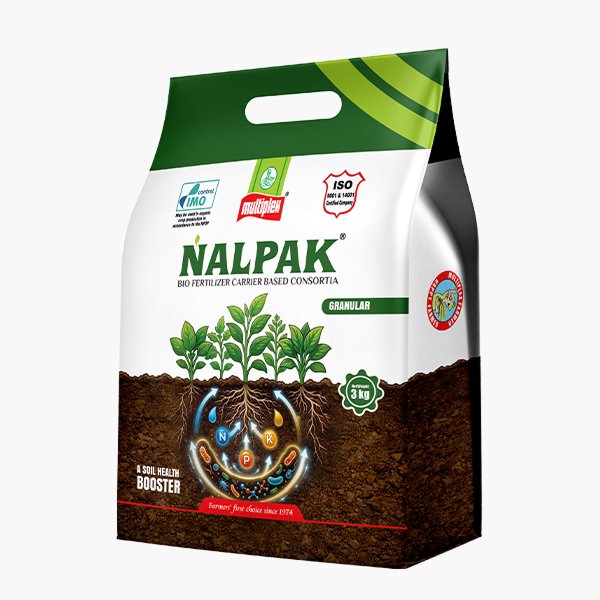
Why address phosphorus alone when nitrogen and potassium are equally important? Nalpak combines Bacillus megaterium for phosphorus solubilisation, Azotobacter chroococcum for biological nitrogen fixation and Frateuria aurantia for potassium mobilisation. These microorganisms also produce plant growth-promoting substances such as IAA, gibberellins and cytokinins, supporting root development and overall plant growth.
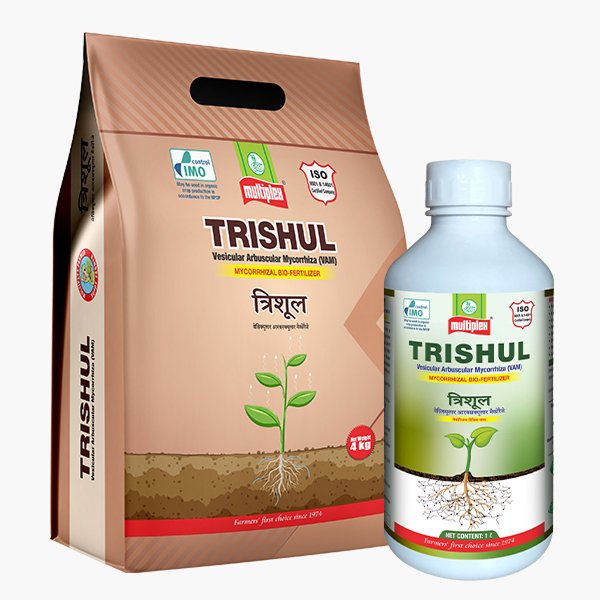
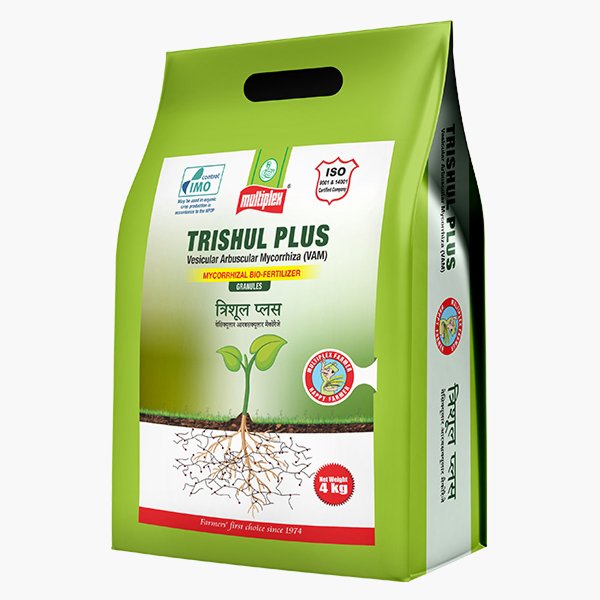
Trishul works through Vesicular Arbuscular Mycorrhizal (VAM) fungi. Unlike phosphate-solubilising bacteria, these fungi do not directly dissolve fixed phosphorus. Instead, their fine fungal threads extend beyond the immediate root zone, helping plants access phosphorus and water from a larger volume of soil. Trishul Plus builds on this approach by combining mycorrhizal fungi with an NPK microbial consortium, providing additional microbial support for nutrient availability.
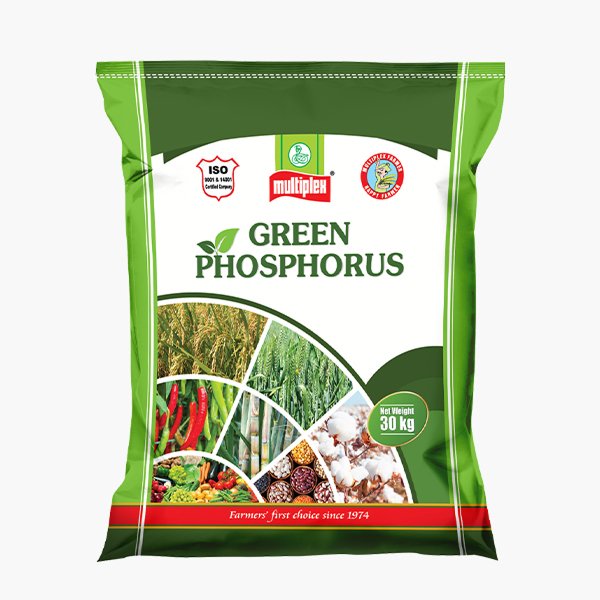
MultiProm and Green Phosphorus combines organic manure, rock phosphate and phosphate-solubilising bacteria. Rock phosphate provides a gradual source of phosphorus, while microbial activity helps dissolve it into plant-available forms. Organic matter further supports microbial activity and improves soil conditions. Its composition makes it particularly relevant for acidic soils, where rock phosphate dissolves more readily. It offers an alternative approach to conventional DAP-based phosphorus nutrition.

Phosphorus management also depends on what happens to organic matter beneath the soil surface. Multiplex Organic Magik combines phosphate-solubilising fungal biofertilizer with a PGPR bacterial consortium. Its help break down difficult-to-decompose crop residues such as paddy straw, wheat straw, fibres and coir, releasing carbon, nitrogen, phosphorus and other essential nutrients. This natural decomposition process supports nutrient recycling, improves nutrient availability and encourages beneficial microbial activity. It also helps suppress soil-borne pathogens and promotes better root development and plant health.

Phosphorus management is not simply about how much fertilizer goes into the soil; it is about how much of that phosphorus actually reaches the crop. Soil pH, nutrient interactions, microbial activity and root development all influence its availability.
With products such as Durga, Nalpak, Trishul, Trishul Plus, MultiProm, Green Phosphorus and Organic Magik, Multiplex offers different approaches to improving phosphorus utilisation and supporting healthier soils. When combined with soil testing, balanced nutrition and appropriate crop management, these solutions can help farmers make better use of available nutrients.